

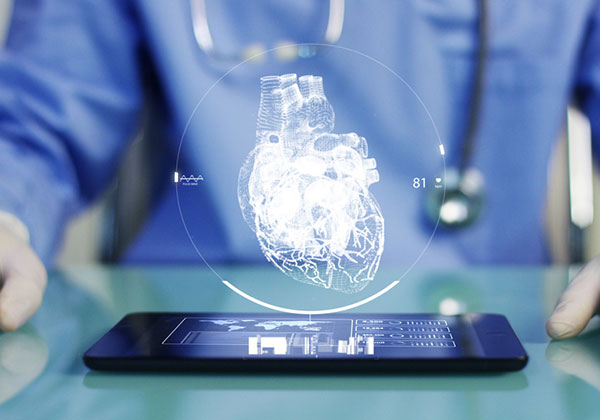



























Artificial Intelligence (AI) is rapidly changing how doctors gather and process medical information. In recent years, new AI tools have been developed that can scan large amounts of data, suggest possible diagnoses, and even flag conditions that human doctors may have overlooked. A recent article from The New Yorker explored the rise of these technologies in medicine and asked an important question: if AI can diagnose patients, what role do doctors play?
For patients and families affected by myocarditis, this is a timely topic. While AI holds promise, it’s important to understand both its strengths and its limitations.
The Promise of AI in Medicine
AI models are designed to process information at a speed and scale no human can match. They can sort through thousands of symptoms, lab results, and case studies to suggest possible diagnoses. In some cases, AI has even highlighted conditions that had been missed by clinicians, giving patients new leads to investigate.
For patients living with rare or complex conditions like myocarditis or pericarditis, this can feel encouraging. Having more tools in the diagnostic toolbox means more opportunities for early recognition and treatment.
The Limits of AI
But AI comes with clear limitations. While it has access to medical knowledge, it lacks the investigative reasoning and human insight that doctors bring to each case. AI can sometimes misdiagnose, oversimplify, or even “hallucinate” – creating incorrect information. It also cannot consider the full picture of a patient’s life, history, and unique circumstances in the way a physician can.
This is especially critical for conditions like myocarditis, which can present with a wide range of symptoms and requires careful evaluation by trained specialists.
Why Doctors Still Matter Most
AI should not replace the role of doctors. Instead, it can be seen as a supportive tool. For instance, raise new questions, suggest possibilities, or speed up the diagnostic process. Ultimately, however, the final judgment and care plan should always come from a qualified physician.
For patients, the most important thing to remember is this: AI may offer insights, but your doctor brings the experience, context, and investigative skills that no algorithm can replicate.
Takeaway for Patients
If you’re navigating a diagnosis like myocarditis or pericarditis, you may encounter news about AI in medicine. While these tools are exciting, they are best used in partnership with your doctor’s expertise and not as a replacement. Patients should never rely solely on AI for medical decisions but can view it as one more resource in their journey toward answers and care.